
Where Does Your Dryer's Hot Air Actually Go? The Case for a Proper Roof Vent
Where Does Your Dryer's Hot Air Actually Go? The Case for a Proper Roof Vent
Every time you run a load of laundry, your dryer is pushing out a surprising amount of hot, moist air — often carrying more than a gallon of water vapor per heavy load. Where that air ends up matters a lot more than most homeowners realize.
The goose neck roof vent's job
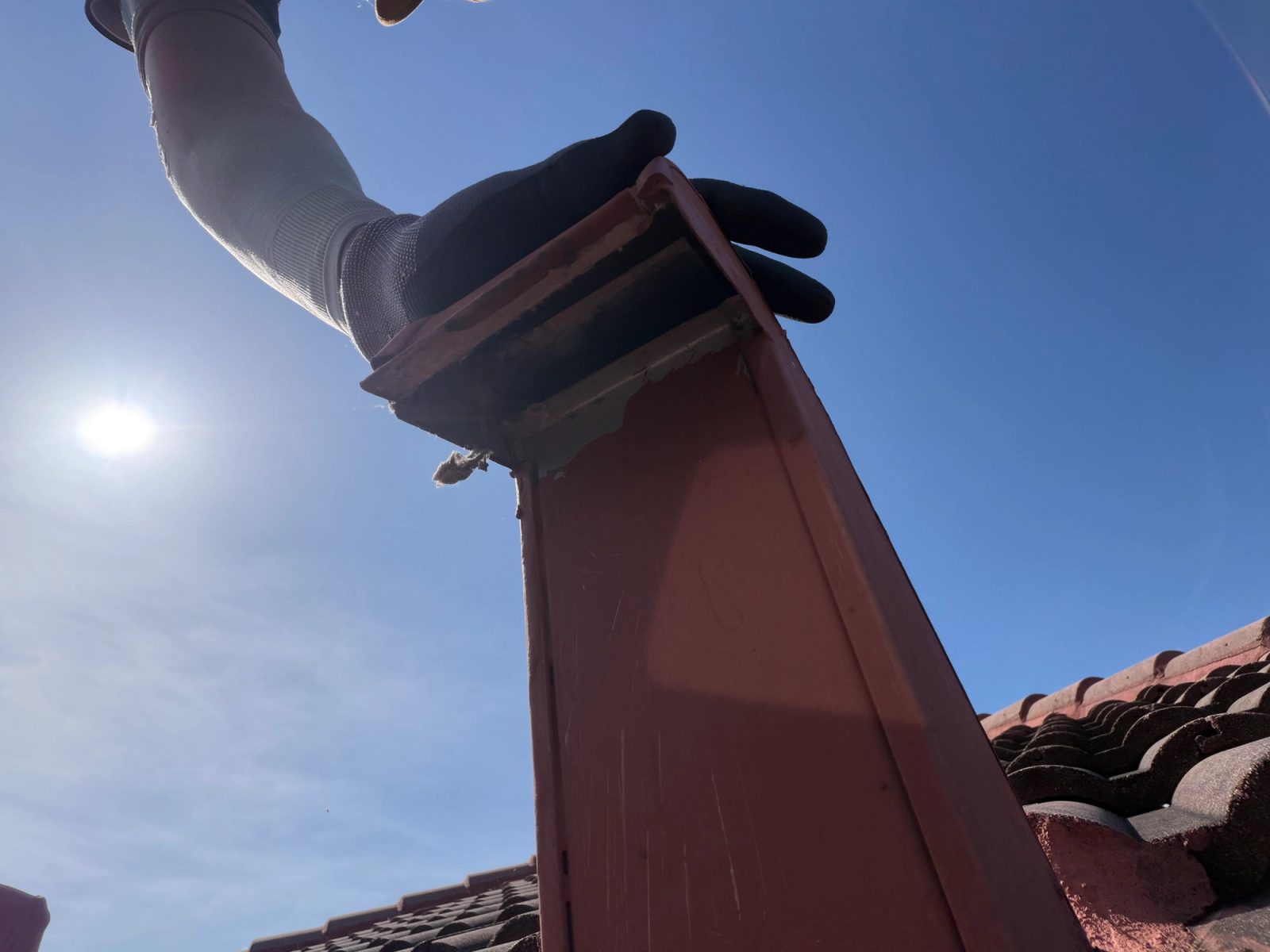
In a lot of Miami and South Florida homes, especially ones with attic-routed ductwork, the dryer vent runs up and exits through a goose neck-style cap on the roof. Done right, this setup pulls hot, humid air completely out of the home and releases it outside, away from living spaces and the attic itself.
Done wrong — say, with a disconnected duct, a damaged cap, or a vent that's been blocked or crushed somewhere along the run — that same hot, moist air can end up venting into the attic instead of outside. And that's a problem most people don't discover until it's already caused damage.
Why getting that air outside actually matters
- Moisture control: Warm, humid air dumped into an attic space is a direct setup for mold growth and wood rot on rafters and decking, especially in Florida's humidity.
- Lint control: Lint riding along with that air doesn't just disappear — if it's not exiting the home, it's settling somewhere it shouldn't, which can become a hidden fire hazard in attic insulation.
- Energy and comfort: Hot air vented into an attic adds heat load right above your living space, which your AC then has to work harder to fight.
- Pest and weather protection: A properly capped goose neck vent also keeps rain, birds, and pests from working their way back down into the duct — something we've covered before with bird nesting issues in vents.
What to check
If you've never had your roof vent inspected, it's worth confirming that the duct connection at the roof is intact, the cap itself isn't damaged or rusted through, and air is actually exiting outside rather than just disappearing into the attic space. This is something our techs check as part of a full dryer vent cleaning — not just clearing lint, but confirming the whole system is doing what it's supposed to do: getting that hot air out of your home, not into it.